Breed Selector
Thinking about getting a dog? Please see out useful information about different types of dog breed below. Remember that pure bred is not always best, mixed breeds (mongrels or mutts) generally have less health problems than the pedigree breeds and have a good mix of the different breed traits.
We always recommend getting a rescue dog where possible, they may take a little longer to settle in but will reward you with enough love, trust and affection to make it all worthwhile.
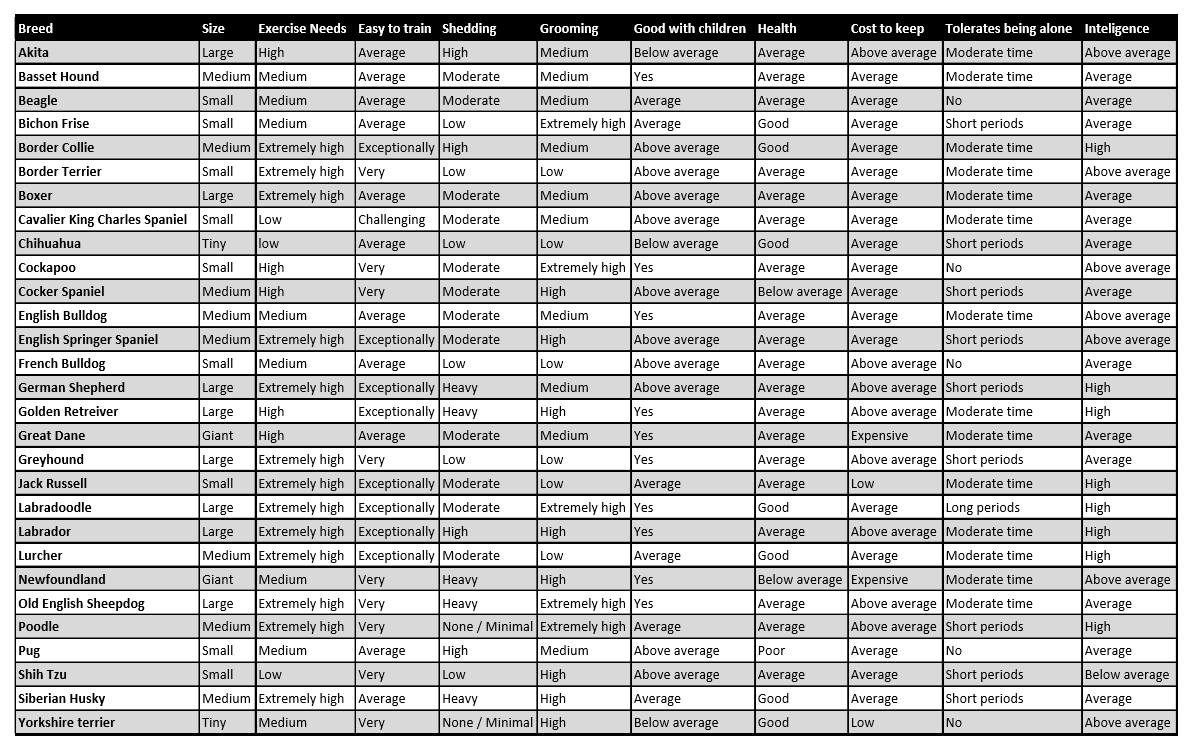
Breed Information
See some positives and negatives of the different breeds below.
Akita
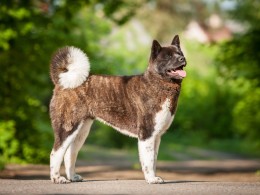
Positives
- Extremely loyal and protective of their families
- Akitas are excellent watchdogs
- They only bark when needed and never unnecessarily
- Akitas thrive in a home environment
- Fun-loving dogs by nature
- Akitas like to keep themselves clean much like their feline counterparts
- They are easy to housetrain because Akitas like to be clean and keep themselves clean
Negatives
- Akitas have a very high prey drive
- They must be well socialised from a young age to be well-rounded dogs
- Akitas are heavy shedders more especially in the Spring and Autumn
- They are independent thinkers as well as stubborn at times and therefore harder to train
- Not the best choice for first-time dog owners
- Akitas need to be well-bred and socialised from an early age by breeders
Basset Hound
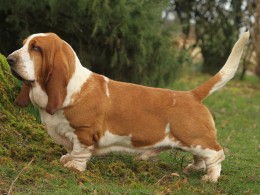
Positives
- Basset Hounds are gentle, loyal and affectionate family pets
- They are very good around children of all ages
- They are great companions for older people
- Basset Hounds are social dogs by nature and get on with everyone
- They are a good choice for first time dog owners who have the time to dedicate to them
- They are low maintenance on the grooming front
- They are moderate shedders
Negatives
- Basset Hounds can be hard to housetrain
- Basset Hounds have a stubborn streak which can make training more challenging
- They are not the best choice for first-time owners
- They are known to be "thieves" and will help themselves to food
- Basset Hounds can turn a deaf ear to a command when it suits them
- They shed a lot of hair throughout the year and even more so in the Spring and Autumn
- They often have a "doggy" smell about them
- They suffer from skin and ear infections
Beagle

Positives
- Very adaptable and very versatile, just as happy living in town as they are in the country providing they are given enough exercise
- Loving, loyal and affectionate, Beagles make wonderful first time pets
- Low maintenance on the grooming front
- Beagles are social dogs by nature and tend to get on with other dogs
- They are good with children and show a lot of tolerance towards them
Negatives
- Beagles like the sound of their own voices and if allowed, will bark at every opportunity
- They can be harder to housetrain than other breeds
- They will follow their noses if they pick up an interesting scent
- Beagles are quite independent by nature which can make training a little more challenging
Bichon Frise
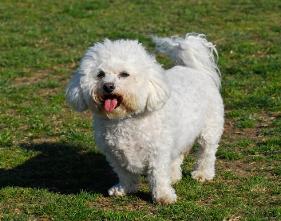
Positives
- Highly adaptable and incredibly cute
- Playful well into their senior years
- Bichons are low shedders
- Highly intelligent and in the right environment easy to train
- Not high maintenance on the exercise front
- Often have long life spans with some Bichons living till they 17+ years old
- Forms strong ties with owners and families
Negatives
- Hates being left on their own
- Bichon often suffer from separation anxiety
- High maintenance when it comes to grooming with Bichons benefitting from being professionally groomed every 4 to 6 weeks or so
- Can be difficult to house train
- Bichons often suffer from allergies
Border Collie
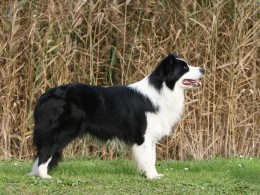
Positives
- Most intelligent breed on the planet
- In the right hands, Border Collies are extremely easy to train
- Good with children although can herd them
Negatives
- High maintenance on all fronts
- Require a tremendous amount of exercise and mental stimulation
- Not the best choice for first time dog owners
- Strong herding drive
Border Terrier
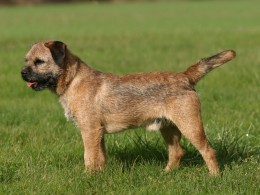
Positives
- Very affectionate although quite mischievous at times
- Border Terriers are extremely adaptable and just as happy living in an apartment as they are in a house with garden
- They make wonderful family pets and companions for people who lead active lives
- Easy maintenance on the grooming front
- Very social by nature and thrives on being around people and other dogs
Negatives
- High-energy little dogs that need lots of mental stimulation and daily exercise
- Border Terriers have a very high prey drive
- They can suffer from separation anxiety when left on their own
- Can be a bit aggressive towards other dogs, early socialisation is a "must"
- Not the best choice for first time owners
- Can be destructive around the garden because they love digging
- Known to like the sound of their own voices which can be a problem
Boxer
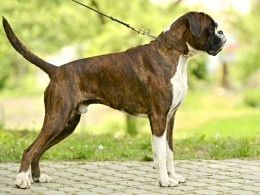
Positives
- Wonderful personalities and natures
- Boxers are extremely affectionate and loving
- They are highly intelligent
- Boxers are incredibly playful and comical by nature with their silly dances
- They are very active and energetic which means they need loads of exercise
- They thrive on being with people and hate being on their own
- They are protective of their families and their belongings
- Boxers are extremely good, natural watchdogs
Negatives
- Extremely energetic and need a ton of mental stimulation and daily exercise
- Some Boxers can slobber and drool, a lot
- If not well handled and trained, they can show a more dominant side to their natures
- Known to suffer from quite a few hereditary health issues
- Need firm handling and early training
- Can be destructive if left to their own devices
- Boxers suffer from separation anxiety
- Can be a little over-protective if not well socialised from a young age
Cavalier King Charles Spaniel
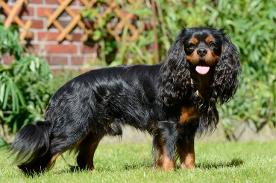
Positives
- Trustworthy, reliable and super affectionate with people and children of all ages
- Intelligent, easy to train and quick to learn
- Very adaptable, Cavs are just as happy living in an apartment as they are in a house, providing they are given lots of exercise and mental stimulation
- Good choice for first time dog owners
- Not known to be "barkers"
- Very social by nature which means they tend to get on with everyone which includes other animals and pets they have grown up with as well as others they meet
- Cavs make wonderful companions for older people because they are loyal, loving yet never overly demanding
Negatives
- Cavs are not very good watchdogs because they love everyone
- Can suffer from separation anxiety because they are so people-oriented which means they hate finding themselves on their own
- Quite high maintenance on the grooming front
- Cavs are prone to ear infections because of their long, pendulous ears
Chihuahua

Positives
- Highly intelligent and therefore easy to train
- Very adaptable and just as happy living in an apartment as they are in a house
- Good choice for households with older children
- Extremely loyal which is why Chis make such wonderful companions
- Chihuahuas don't need a tremendous amount of daily exercise
- They love playing interactive indoor games
- They are low maintenance on the grooming front
- Can be taught not to bark excessively
Negatives
- Well-bred pedigree puppies are expensive to buy
- Can be over protective of their families, toys and food
- Don't like being left on their own and can develop separation anxiety
- House training can prove a bit of a challenge
- Independent thinkers by nature, they like to do things in their own time
- Can be stubborn at times
- Not good with toddlers and younger children who are often too boisterous and noisy
- Puppies need handling carefully because they have soft skulls for the first months of their lives
- Eyes and ears need extra care and attention
Cockapoo
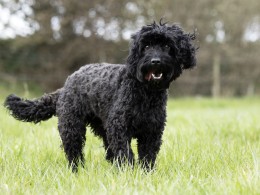
Positives
- Cockapoos have lovely natures
- They are highly intelligent and therefore easy to train
- They have low to non-shedding coats
- They are energetic and playful
- They remain puppy-like well into their senior years
- They are great around children of all ages which makes them wonderful family pets
- Cockapoos come in all sorts of colours and sizes
Negatives
- They thrive on human company and therefore suffer from separation anxiety
- They are high maintenance on the grooming front
- Well-bred puppies are expensive to buy
- Cockapoo puppies are boisterous and playtime can be rough
- If not well socialised, Cockapoos often turn into “barkers”
Cocker Spaniel
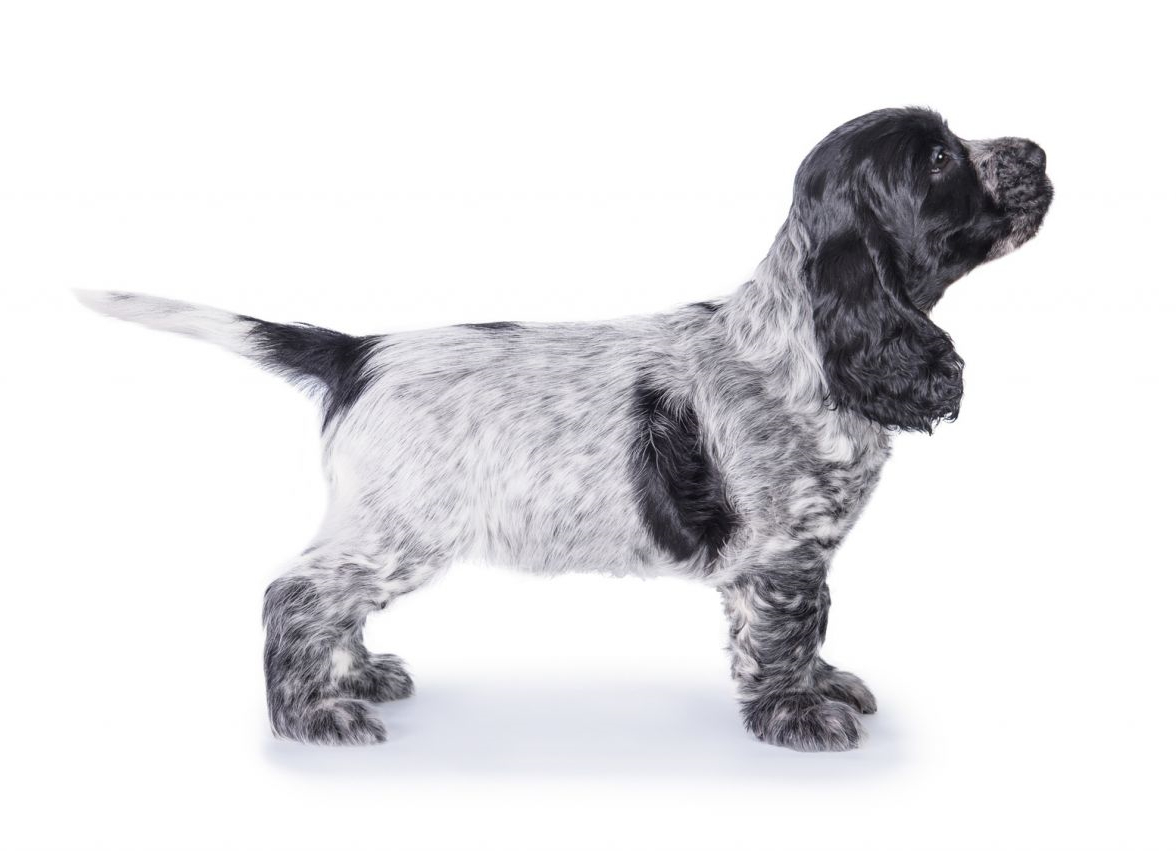
Positives
- Cockers are a nice size and adapt well to apartment living
- They are lively and playful
- Good natured and even tempered
- Good around people and other animals including dogs
- Very people-oriented
- Good around children
Negatives
- Can suffer from separation anxiety when left on their own
- High maintenance on the grooming front
- Are known to like the sound of their own voices which results in excessive barking
- Can be excitable if not properly socialised and trained at a young enough age
- Not so good around toddlers and very young children
- Are prone to drooling when excited
- Shed steadily throughout the year
English Bulldog
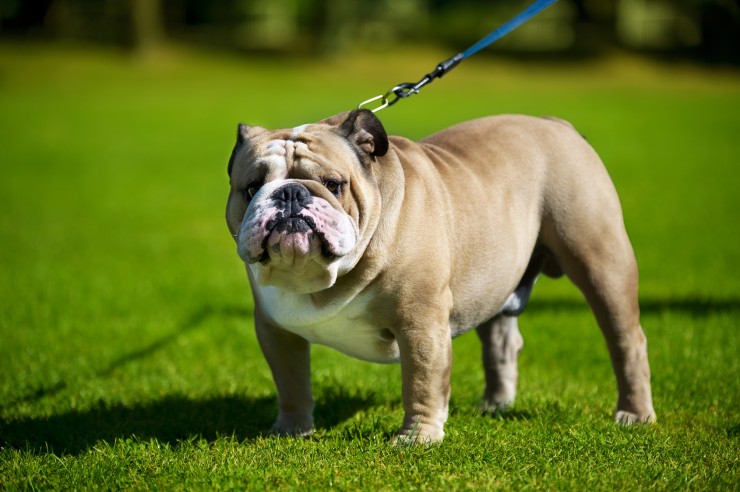
Positives
- Extremely loyal and good around children of all ages
- Highly adaptable, will happily live in an apartment or house providing they are given enough exercise
- Confident, easy-going dogs that seldom bark
- Not too demanding on the exercise front
- Has an easy maintenance coat
Negatives
- Are prone to snore loudly
- Can be stubborn when the mood takes them
- Can be too possessive about their food
- They shed quite a lot of hair throughout the year
- Can suffer from severe flatulence
- Has quite a short life span
- Suffers from quite a few health issues
- Well-bred puppies are expensive to buy
English Springer Spaniel
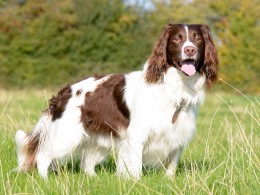
Positives
- Loyal, affectionate and trustworthy
- Even-tempered and calm
- Versatile
- Wonderful with children of all ages
- Springers are the perfect companion dog for older people
- Highly adaptable, just as happy living in a town as they are in the country, providing they are given enough exercise and a back garden
Negatives
- Springers are energetic, active dogs that need lots of daily exercise
- They need to be trained early in life to settle into a home environment
- Springers don't like being left on their own for any length of time and suffer from separation anxiety
- Quite high maintenance on the grooming front
- Known to suffer from a few hereditary health issues
French Bulldog
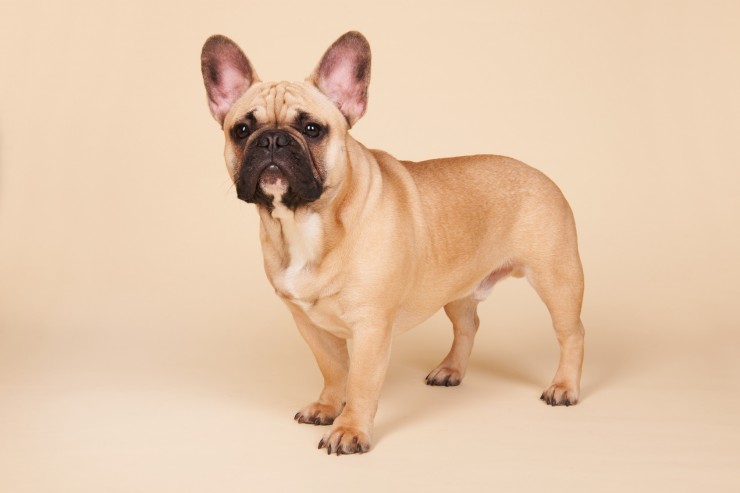
Positives
- Good with children, but always supervised
- Very adaptable, happy living in an apartment or house
- Intelligent, easy to train but mischievous
- Good choice for first time dog owners because Frenchies are easy to train and house train with the added bonus being they thrive on being in a family environment
- Only need shorter walks several times a day rather than fewer long ones
- Low shedding although like other breeds they drop more hair in the spring and the autumn
- Wonderful companions because they are so amenable and eager to please without being overly demanding
- Frenchies have become the most popular breed in the UK and for good reason. They are people-oriented, easy to train and extremely adaptable
Negatives
- Expensive to buy a well-bred, pedigree puppy from established, reputable breeders
- Can be stubborn and demanding at times
- Prone to developing "Small Dog Syndrome" if they are too pampered
- Can be overly possessive of owners and families
- Need grooming every week paying special attention to folds and tails
- Fold and flaps need checking and cleaning regularly either on a daily or weekly basis
- Can be smelly at times if their coats are not correctly cared for
- Prone to certain hereditary and congenital health issues
- Do not tolerate being on their own for any length of time and often suffer from separation anxiety
- French Bulldogs overheat very quickly in warm weather because of their flatter faces
- Pied and White Frenchies can be deaf in one or two ears and dogs should be BAER tested when they are 6 weeks old
German Shepherd
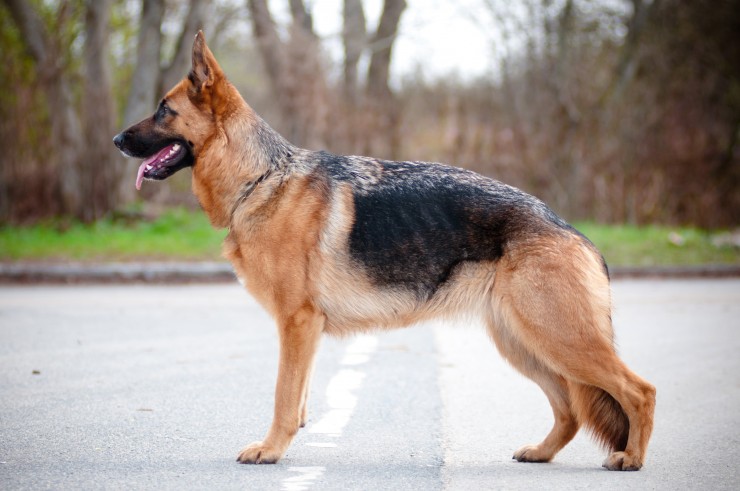
Positives
- German Shepherds are highly intelligent
- In the right hands, a GSD is easy to train
- Extremely loyal to their families
- Good with children of all ages
- Very protective, hence good watchdogs
- They excel at many canine activities
- Trustworthy and dependable when correctly bred
Negatives
- Not the best choice for first time owners
- Can suffer from quite a few hereditary health disorders
- GSDs need to be given lots of mental stimulation and daily exercise
- Not suited to apartment living
- Vet bills can be heavy
Golden Retreiver
Positives
- Golden Retrievers are among the most reliable and trustworthy breeds around
- Extremely adaptable and fits in with most people’s lifestyles
- They remain very puppy-like well into their golden years
- Always eager to please and biddable making them the perfect first dog for novice owners
- Highly trainable thanks to their intelligence and keenness to please
- Very social by nature and gets on with everyone including other dogs, animals and pets
Negatives
- Can be a little mouthy which is a trait that needs to be gently curbed when Golden Retrievers are still young and before it turns into a real problem
- High maintenance on the grooming front
- Can have a "doggy" smell about them
- They need a lot of exercise and mental stimulation
- Easily distracted by things that go on around them
- Golden Retrievers shed a lot of hair all year round and even more so in the Spring and Autumn
- Known to suffer from quite a few health issues so vet bills can be high
Great Dane
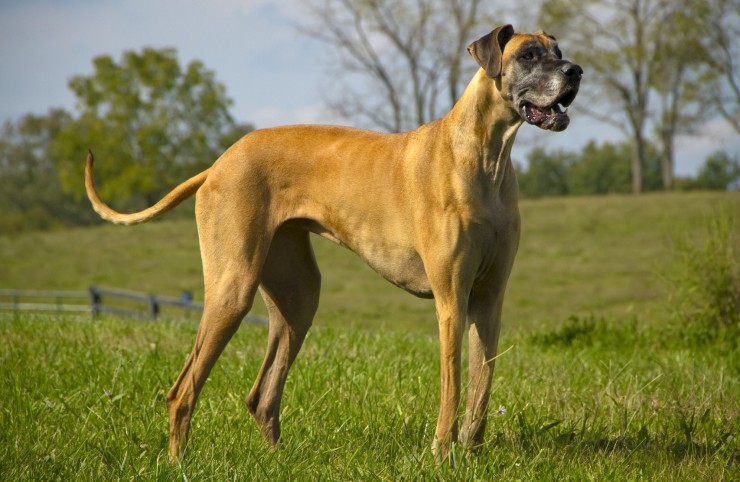
Positives
- Great Danes are extremely loyal and affectionate to their families
- They are very intelligent dogs
- In the right hands, they are easy to train
- Low maintenance on the grooming front
- They have moderate shedding coats
- Great Danes are very playful and goofy by nature
Negatives
- They are not the best choice for first-time dog owners
- Great Danes are extremely large dogs and need enough space to express themselves
- They are known to drool (a lot)
- They suffer from separation anxiety when left on their own
- Their tails can cause a lot of damage when excited
- They can be stubborn when the mood takes them
- They are prone to suffering from certain health issues which can result in higher vet bills
- Great Danes being a large breed has a short lifespan
- They are expensive to feed and need a lot of exercise
Greyhound
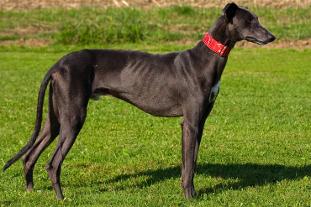
Positives
- Loyal, affectionate and trustworthy
- Greyhounds are a wonderful choice for first time owners
- In the right hands, they are easy to train
Negatives
- Greyhounds need to sleep on nice thick bedding because of their delicate frames
- Can be a little wary and aloof around strangers
- Very strong prey drive
Jack Russell
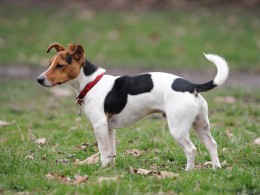
Positives
- Small, affectionate and very loyal
- Great around children of all ages if properly socialised
- Low maintenance on the grooming front
- Extremely good ratters
- Excels at all sorts of canine sports including agility
- Perfect companions for people who work outdoors
- Highly intelligent
- Extremely playful throughout their lives
Negatives
- Does not like to be left alone
- Suffers from separation anxiety
- Can be destructive if bored
- Need firm handling
- Has a very high prey drive
- Can bark excessively if not properly trained
- Sheds quite heavily throughout the year
- Needs lots of attention and exercise
- Can be aggressive towards other dogs of the same sex
Labradoodle
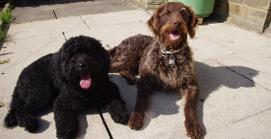
Positives
- Labradoodles shed little hair, although some shed more than others
- They are highly intelligent and learn things quickly
- They have kind and affectionate natures being very biddable by nature
- They are a great choice for first time owners
- They love taking part in all sorts of canine sports
- They are very playful and remain so well into their senior years
Negatives
- They are high maintenance on the grooming front
- They can be mischievous at times thanks to them being so smart
- Labradoodles are high energy and need lots of attention and exercise
- A well-bred Labradoodle is expensive to buy
- They can suffer from some of the health issues that affect their parent breeds
Labrador
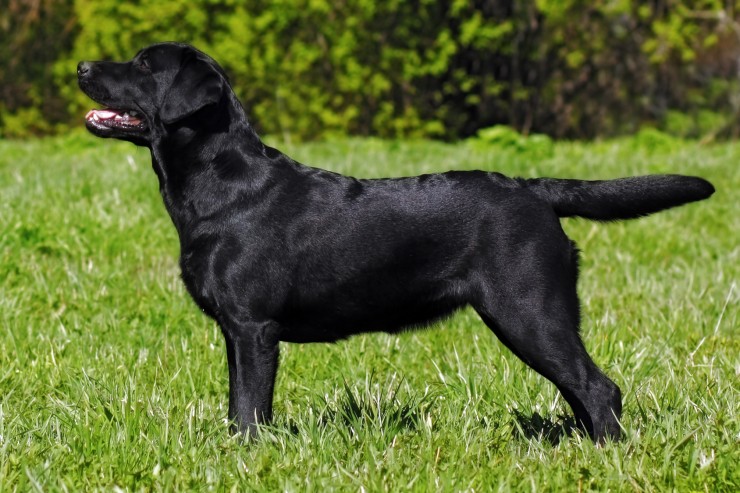
Positives
- Reliable, trustworthy, the breed is well proven
- Labs make wonderful family pets and have an affinity with children
- Good natured and dependable
- Great around other dogs and animals because Labs are social by nature
- Always eager to please which makes Labs relatively easy to train
- Low maintenance on the grooming front
- Labs form strong bonds with their families, but can be taught to be left on their own
Negatives
- Labs need a ton of mental stimulation and daily exercise
- They shed copiously throughout the year with yellow Labs shedding more than black Labs
- Labs can be overly enthusiastic and bouncy especially when young
- They tend to be a little "mouthy" which needs to be gently curbed when young
- Puppies can be naughty and boisterous
Lurcher
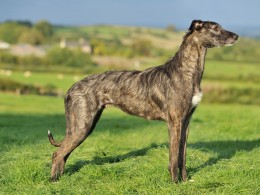
Positives
- Very affectionate and loving in a home environment
- Extremely playful by nature
- Lurchers get on well with children of all ages
- Lurchers are very social by nature
- Perfect companions for people who lead active outdoor lives
- Low maintenance when it comes to grooming
Negatives
- They respond well to commands, but they don't always decide to obey preferring to do their "own thing" which can be highly amusing or extremely frustrating
- High-energy, active dogs that need a ton of exercise
- Lurchers have an extremely high prey drive
- Not the best choice for first time owners because a Lurcher needs to be correctly trained which can prove challenging
- Very independent thinkers when the mood takes them
Newfoundland
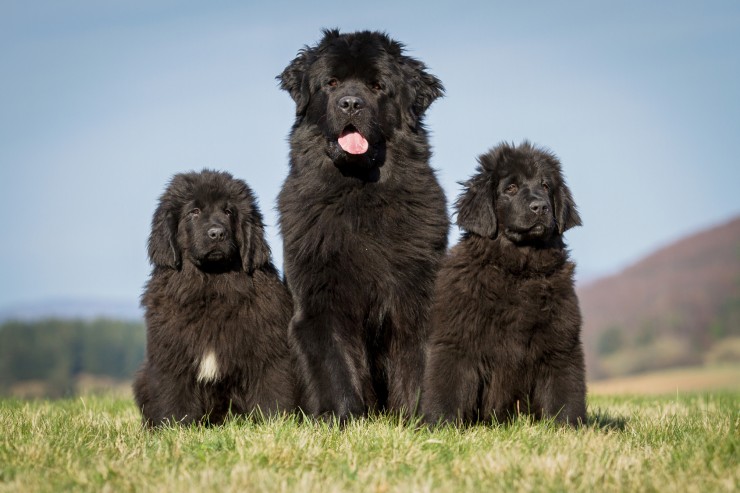
Positives
- Newfoundlands are renowned for being "gentle giants" thanks to their sweet and kind natures
- They have a real affinity with children of all ages
- They form strong ties with their families and protecting them comes naturally
- They are typically good around other dogs and animals when well socialised from young age
- They are not known to be “barkers”
- They are very protective of their families
Negatives
- Newfoundlands are not the best watchdogs
- They need a lot of daily physical exercise and mental stimulation
- They shed a lot throughout the year only more so during the spring and the autumn
- They are high maintenance on the grooming front
- They are more expensive to feed than many smaller breeds
- They need the right amount of daily exercise and mental stimulation
Old English Sheepdog
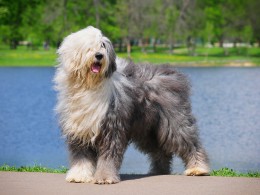
Positives
- Old English Sheepdogs are smart and in the right hands are easy to train
- They are affectionate and loving by nature
- They are very protective and loyal to the people they love
- They are known to be good around children of all ages
- They thrive on being in a family environment
- Old English Sheepdogs are fun-loving characters by nature and enjoy playing interactive games
Negatives
- Old English Sheepdogs are high maintenance on the grooming front
- They shed copiously throughout the year and even more so during the spring and autumn
- They are known to be "barkers" when the mood takes them
- They are high energy dogs that need lots of daily exercise and mental stimulation
- They suffer from separation anxiety when left on their own
- Their beards get smelly if not cleaned often enough
- Old English Sheepdogs like their food a little too much
- They are known to be "thieves" where food is concerned
- Playtime can often be a little too rough
Poodle
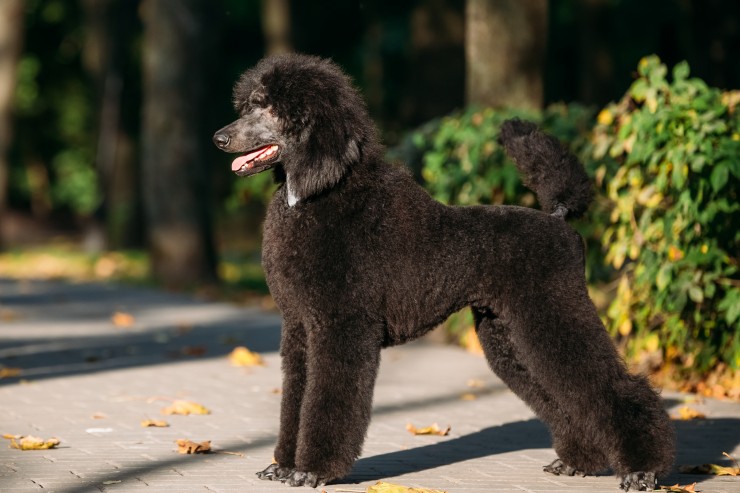
Positives
- Playful, patient and loyal
- Good watchdogs
- Poodles shed little hair and are good for people suffering from allergies
Negatives
- Poodles can get bored quite easily
- Can become destructive if not walked regularly
Pug
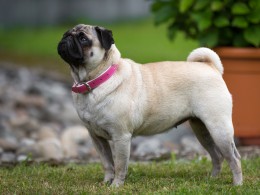
Positives
- Small and sturdy, highly adaptable dogs just as happy living in an apartment as they are in a house
- Highly adaptable, just as happy living in an apartment as they are in a house
- Easy maintenance on the grooming front
- Incredibly social and affectionate by nature
- Very playful and clownish
- Pugs do not need a lot of daily exercise
- Pugs are very loyal
Negatives
- Puppies play hard and can be whirling dervishes around the home
- They are high maintenance on all fronts
- Pugs need lots mental stimulation to be truly well-rounded dogs
- Can suffer from separation anxiety when left on their own for too long
- Pugs snore and they do so loudly
- They are also known to suffer from flatulence
- Pugs are quite heavy shedders more especially in the spring and autumn
- They are prone to suffering from quite a few health issues because of their flat faces
Shih Tzu
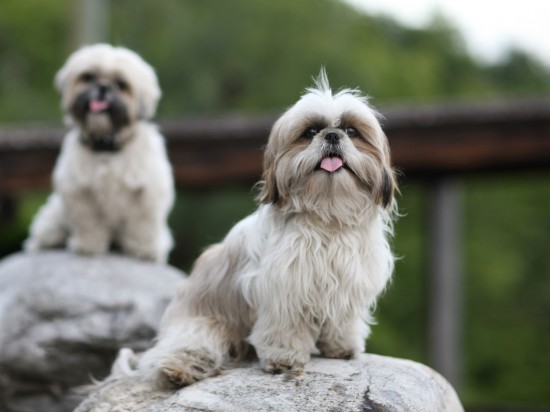
Positives
- Totally people oriented
- Great first-time dog for novice owners
- Gets on well with children of all ages
- Social by nature
- They make wonderful companions because they are so kind natured
Negatives
- High maintenance on the grooming front
- Hate being left on their own and suffer from separation anxiety
- Can bark excessively when left alone
- Can be a little stubborn and wilful at times
- Known to suffer from quite a few hereditary and congenital health issues
Siberian Husky
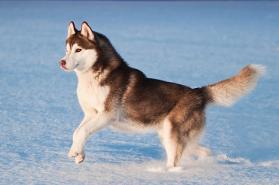
Positives
- Extremely friendly with people and children
- Siberian Huskies loves company
- Playful throughout their lives
- Highly adaptable not being stressed out when they find themselves in new environments
- Highly intelligent, but naughty
- Laid-back and easy-going by nature which makes Sibes very forgiving
- Siberian Huskies don't have that "doggy smell" about them
- Are social by nature and generally get on with other dogs providing they've been well socialised
Negatives
- Not the best choice for first time dog owners
- Not very good watchdogs because Siberian Huskies love everyone they meet
- Not that loyal because they love everyone
- Very high prey drive which is impossible to curb
- Cannot be trusted around any animal or livestock
- Not that obedient thanks to the fact they are independent thinkers
- Siberian Huskies are not known to bark, but will howl for the sake of it
- Siberian Huskies need a tremendous amount of exercise always on the lead
- Known to be destructive around the house if left on their own for any length of time
- Suffers from separation anxiety
- Gardens and homes must be extremely secure to keep a Siberian Husky safely in
- Siberian Huskies are known to trash gardens
- They find it hard to digest many cereals so care must be taken with their diet
- Siberian Huskies moult heavily throughout the year and even more so in the Spring and Autumn
- They have a sensitivity to certain drugs and medication
Yorkshire Terrier
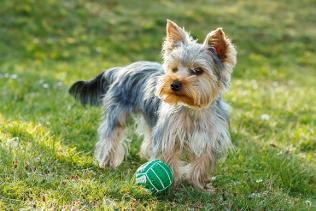
Positives
- Wonderful companions because they are so loyal and affectionate
- Great watchdogs because they think they are large dogs in a tiny dog's body
- Yorkies make great family pets and when well socialised are good around older children
- When well socialised, Yorkies are generally good around other animals and pets
- They are extremely intelligent and quick thinkers
- Always alert and lively, never dull
- Yorkies like to be on the go and kept busy
- They are easy to train because they are such smart little dogs
- Not demanding on the exercise front
- Thrives in a home environment
Negatives
- Can be yappy if not correctly socialised at a young enough age
- Yorkies don't like being on their own and suffer from separation anxiety
- Can be overly protective at times
- Not the best choice for families with toddlers or very young children
- High maintenance on the grooming front
- Benefit from being professionally groomed several times a year
- Can be difficult to house train
© Copyright Pawz Outdoorz
